

 Homeopathy
 Science
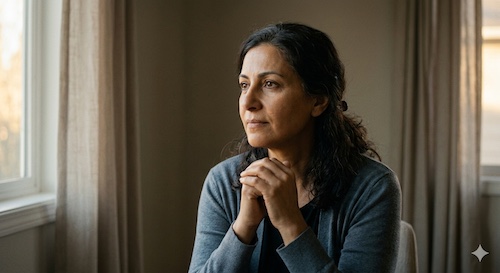
Our definition of trauma is bigger than most
For us, trauma is not just abuse or war. Here are examples of trauma to consider, which we have worked with in our clinic.
-
- Terror & fright from war, accidents, abuse & threatened safety in general
- Head injuries and bodily injuries in general
- Lack of breastfeeding
- Birth trauma (C-section, incubator experience etc.)
- Childhood experiences with family: abuse, negative beliefs, etc.
- Vaccine damage
- Out of body or near-death experiences
- Generational trauma from ancestors: disease, poverty, starvation.
Who benefits from this healing?
-
-
People with health issues but no medical cause
-
People with PTSD, in war zones
-
People with history of mistreatment or abuse of any kind.
- Anyone who has experiences any of the above mentioned traumas can benefit from healing
-
Check our blog articles for cases of trauma from our clinic.
Feeling Whole Again: Heal from Trauma with Homeopathy
If you’ve been through a traumatic experience, know well that you’re not alone. For those [...]
Oct

Homeopathy and Psychotherapy: Differences
Homeopathy and Psychotherapy Homeopathy is a natural form of medicine, used for over 200 years, [...]
Apr

Healing Process
The tools we use to heal trauma:
-
- Homeopathy
- Inner Timeline Healing
- EFT: Emotional Freedom Technique
- Energy Healing

Common signs of trauma/shock
Emotional signs
-
-
Feeling constantly anxious, fearful, or on edge
-
Sudden mood swings or irritability
-
Emotional numbness or feeling disconnected
-
Shame, guilt, or helplessness
-
Persistent sadness or hopelessness
-
Difficulty trusting people
-
Mental and cognitive signs
-
-
Intrusive memories or flashbacks
-
Nightmares or disturbing thoughts
-
Trouble concentrating or remembering things
-
Feeling detached from reality or “zoned out”
-
Constantly scanning for danger (hypervigilance)
-
Physical signs
-
-
Fatigue or exhaustion
-
Trouble sleeping or insomnia
-
Muscle tension, headaches, or stomach issues
-
Rapid heartbeat or panic reactions
-
Easily startled
-
Behavioral signs
-
-
Avoiding people, places, or reminders of an event
-
Withdrawing socially
-
Increased use of alcohol, drugs, food, or other coping behaviors
-
Difficulty maintaining work, school, or relationships
-
Angry outbursts or emotional shutdowns
-
This list is only for information purposes, it is not meant to be used for diagnosis.